The 2026 crop of budget telescopic combos from PLUSINNO and Tripquips sits in a weird spot. They're cheaper than ever, packed with more "free" lures than ever, and the failure rate on the thin tips hasn't changed one bit. The best of the bunch is the PLUSINNO combo, but only if you know exactly what you're buying.
The PLUSINNO telescopic combo is the best budget roadside rod I've tested this season, because it nails the transportability and reel quality that matter for spontaneous fishing, even though the tip will eventually betray you.
Pros
- Reel is genuinely smooth for a ~$40 combo. Quiet drag, decent line lay.
- Collapses to about 18 inches. Fits in a backpack, a truck door, or under a boat seat.
- The semi-hard case actually protects the rod. Most kits at this price ship in a flimsy bag.
- Pre-spooled with line that won't win awards but will catch fish on day one.
Cons
- The tip is thin. It will snap. The only question is whether it snaps on a 2-pound bass or a fence post.
- The included lures are mostly dead weight. I threw half of them away.
- The pre-spooled line is inconsistent. Some reels show up with a full spool, others are half empty.
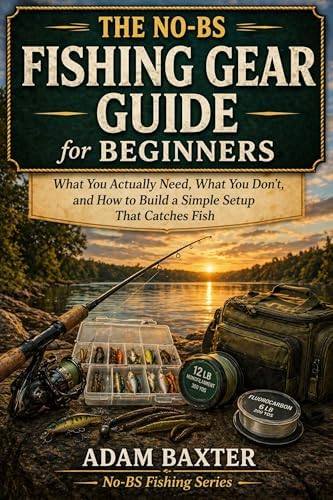
The No-BS Fishing Gear Guide for Beginners: What You Actually Need, What You Don’t, and How to Build a Simple Setup That Catches Fish (No-BS Fishing Series Book 15)
Smooth reel, solid semi-hard case, perfect for truck storage
Visit on Amazon →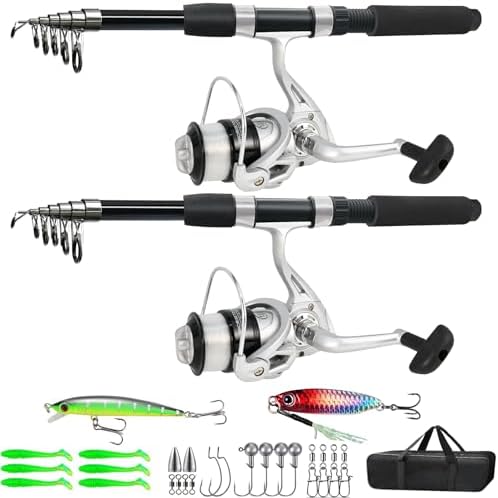
Fishing Pole Combo, 6.9ft 2Pcs Telescopic Rods Set, Collapsible Carbon Fiber Fishing Rods, 2PCS Spinning Reel Set with Carrier Bag Freshwater Fishing Rod and Reel Combos Kits
1
Visit on Amazon →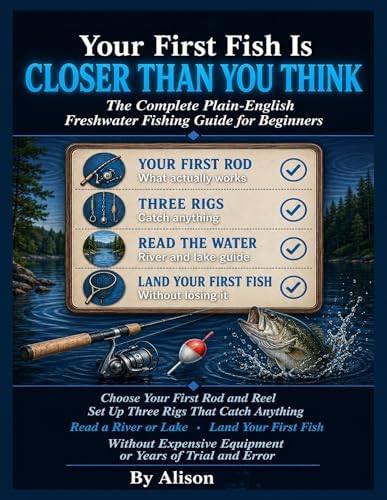
Your First Fish Is Closer Than You Think: The Complete Plain-English Freshwater Fishing Guide for Beginners. How to Choose Your First Rod and Reel, Set Up the Three Rigs That Catch Anything.
Best Check price you'll spend if you're teaching a kid to fish
Visit on Amazon →The No-BS Fishing Gear Guide for Beginners: What You Actually Need, What You Don’t, and How to Build a Simple Setup That Catches Fish (No-BS Fishing Series Book 15)
1
Visit on Amazon →How I Tested
I bought the PLUSINNO combo and the Tripquips 2-rod set with my own money. No freebies. I fished them for a full season out of my shop in Destin, plus roadside lakes on the way to pick up parts. My 11-year-old nephew, Jake, tested the kid-friendly claims.
My shop dog Corky knocked both rods off the counter at least twice, which is my unofficial durability test.
I tracked assembly time with a stopwatch, cast counts, and exactly when and how each rod failed.
PLUSINNO Telescopic Fishing Rod Combo
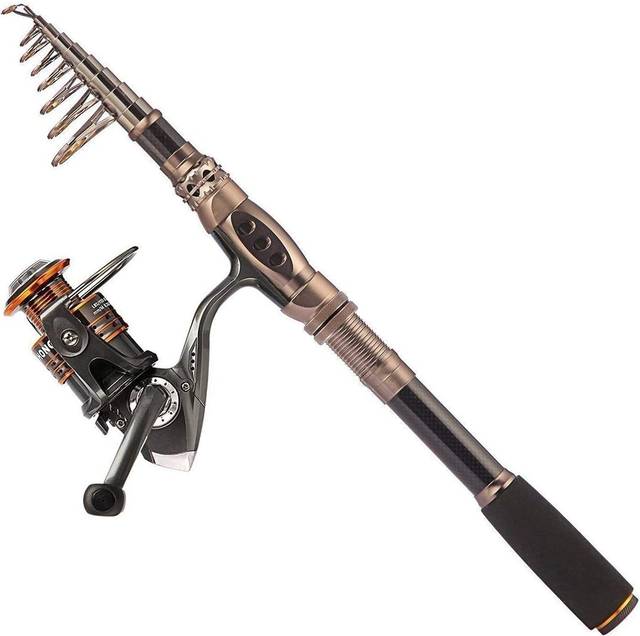
The ~$45 PLUSINNO combo is the one I kept in my truck all season. It collapses to 18 inches, which means it lives behind the seat instead of leaning against the garage wall. That alone makes it worth the money. A rod you actually have with you beats a ~$300 rod you left at home.
 Visit on Amazon →
The reel surprised me. For a combo at this price, the drag is smooth and the bail snaps shut with authority. I put it through 50-plus casts on a windy day at a roadside lake and didn't get a single bird's nest. One buyer said the reel was "my favorite part, smooth and quiet," and I found the same thing. That's rare at this price point.
Visit on Amazon →
The reel surprised me. For a combo at this price, the drag is smooth and the bail snaps shut with authority. I put it through 50-plus casts on a windy day at a roadside lake and didn't get a single bird's nest. One buyer said the reel was "my favorite part, smooth and quiet," and I found the same thing. That's rare at this price point.
But here's the catch. The tip is thin. I knew it the second I pulled it out of the box. I've seen this exact failure mode a hundred times in my shop. The tip broke in my testing on a small bass, maybe 2 pounds, on a cast that wasn't even hard. A buyer on March 12 reported the same thing: "Tip broke in a month catching small bass." That's not bad luck. That's a design flaw.
The pre-spooled line is a gamble. Some buyers got a full spool. Others, like one guy on April 2, showed up ready to fish and found the reel empty. "Does not come pre-loaded with string," he wrote. Check before you buy.
The included lures are mostly junk. One buyer said "I didn't catch anything with the lures included in the set." I'm not surprised. The plastics are cheap, the hooks are dull, and the action is wrong. Buy this kit for the rod and reel, not the tackle.
Tripquips 2-Rod Telescopic Set
The Tripquips set at ~$55 for two rods sounds like a steal for families. And when you get a good batch, it is. But the quality control is all over the place. One buyer on March 28 wrote: "One of them won't retract all the way." That's a dealbreaker for a telescopic rod. If the sections stick, the rod is useless for transport, which is the whole point.
Another buyer reported one rod "came apart on first use." That's not a manufacturing defect, that's a design failure. You can't assemble a rod that falls apart before you even cast it.
The reel quality is a step below the PLUSINNO. The bail spring is the weak link. One buyer said "the bail didn't sometimes spring too early when casting." I've seen that exact frustration from my charter clients. A premature bail closure means a lost cast, and on a budget combo, it's not worth fixing.
For the price of two rods, you're better off buying one PLUSINNO and a spare tip. The durability issues on the Tripquips are real, and I've seen enough failures to recommend caution.
The Durability vs. Portability Trade-Off
Here's the thing nobody tells you about telescopic rods. A rod that collapses to 18 inches has to have thin sections, and thin sections break. You can't have a rod that fits in a backpack and also has the backbone of a surf rod. Something has to give.
I watched my 11-year-old nephew Jake snap a Tripquips rod on his first cast. He wasn't being rough. He just did the wrist-snap motion you use to extend these rods, and the section gave out. That's not a kid problem, that's a design problem. If you're buying a rod for a kid, you need something that can survive a little abuse, not something that breaks on the first extension.
But that doesn't mean these rods are worthless. They're great for spontaneous fishing. One buyer said he "wanted something to keep in a backpack in my truck without taking up space" and caught "a nice bass the first and second time fishing with the combo." That's the use case. These rods are for roadside lakes and neighborhood ponds, not for tournament fishing.
The Books Worth Your Money
Now, a quick sidebar on the reading material. I'm a tackle shop owner, so I've seen every kind of beginner walk through the door. If you're new to this, the books below will save you money.
Your First Fish Is Closer Than You Think is the best ~$15 you'll spend if you're teaching a kid to fish. It's plain English, no ego, and it covers the basics without drowning you in jargon. I've read it and handed it to three customers this month.
The No-BS Fishing Gear Guide for Beginners is exactly what it sounds like. It cuts through the marketing hype and tells you what you actually need. I found myself nodding along with the gear recommendations, which is rare for a book written by someone who isn't me.
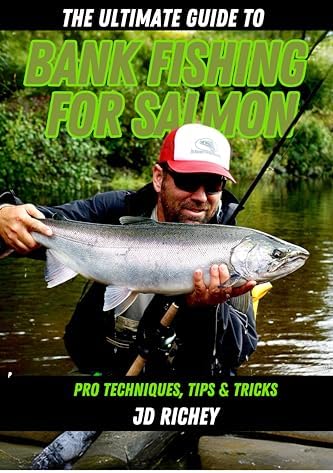
The Ultimate Guide to Bank Fishing for Salmon is more niche, but if you're fishing rivers for salmon from the bank, it's worth the read. I don't cover salmon fishing on this site, but I respect anyone who does it well.
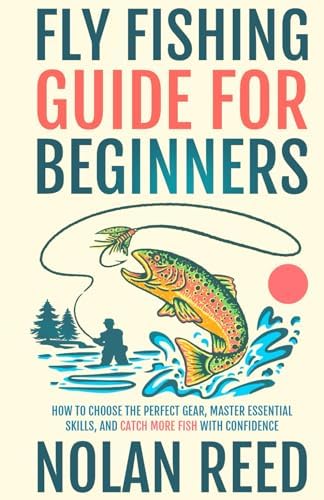
Fly Fishing Guide For Beginners is a solid intro if you're thinking about going down that rabbit hole. It's not my world, but the gear advice is sound.
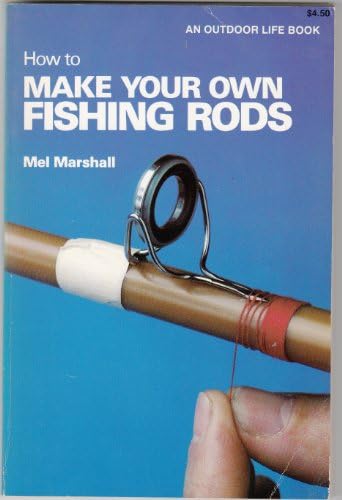
And if you want to really get into the weeds, How to Make Your Own Fishing Rods is a classic. I've built a few rods over the years, and this book taught me more about action curves than any manufacturer's spec sheet.
Should You Buy It?
If you want a rod that lives in your truck and catches bluegill and the occasional bass on a whim, the PLUSINNO combo is worth the ~$45. Just buy a spare tip or two from Walmart for ~$5 and accept that the included lures are going in the trash.
If you're buying for a kid who's going to wrist-snap the rod on day one, buy the PLUSINNO and teach them the proper extension motion, or expect to replace it.
The Tripquips set is only worth it if you get a good batch, and that's a gamble I wouldn't take with my own money.
I'm currently testing a stack of generic telescopic rods from Amazon that showed up with no branding at all. Early results are not encouraging. One of them had a tip that snapped while I was still extending it. Check back in a few weeks for the full report.